


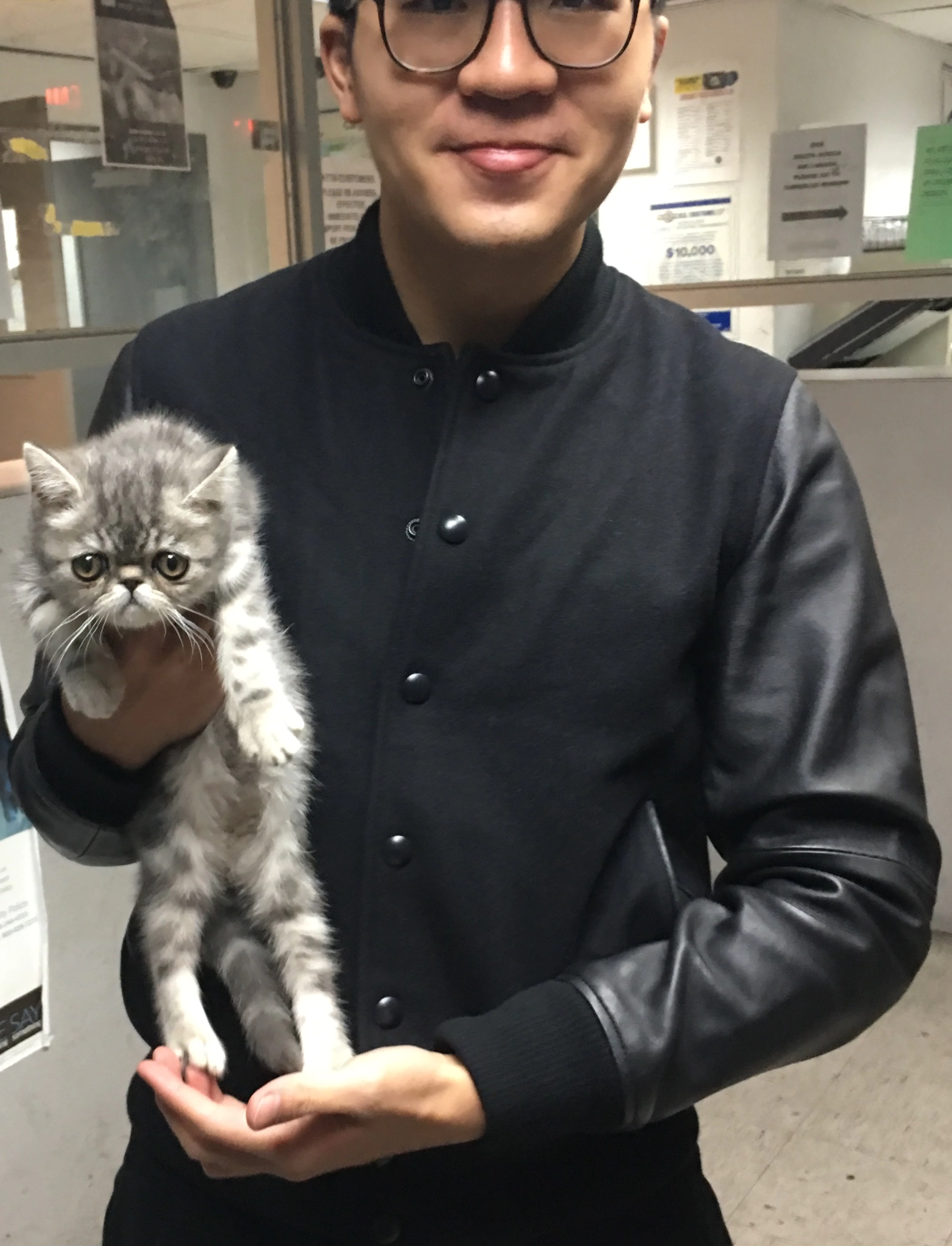
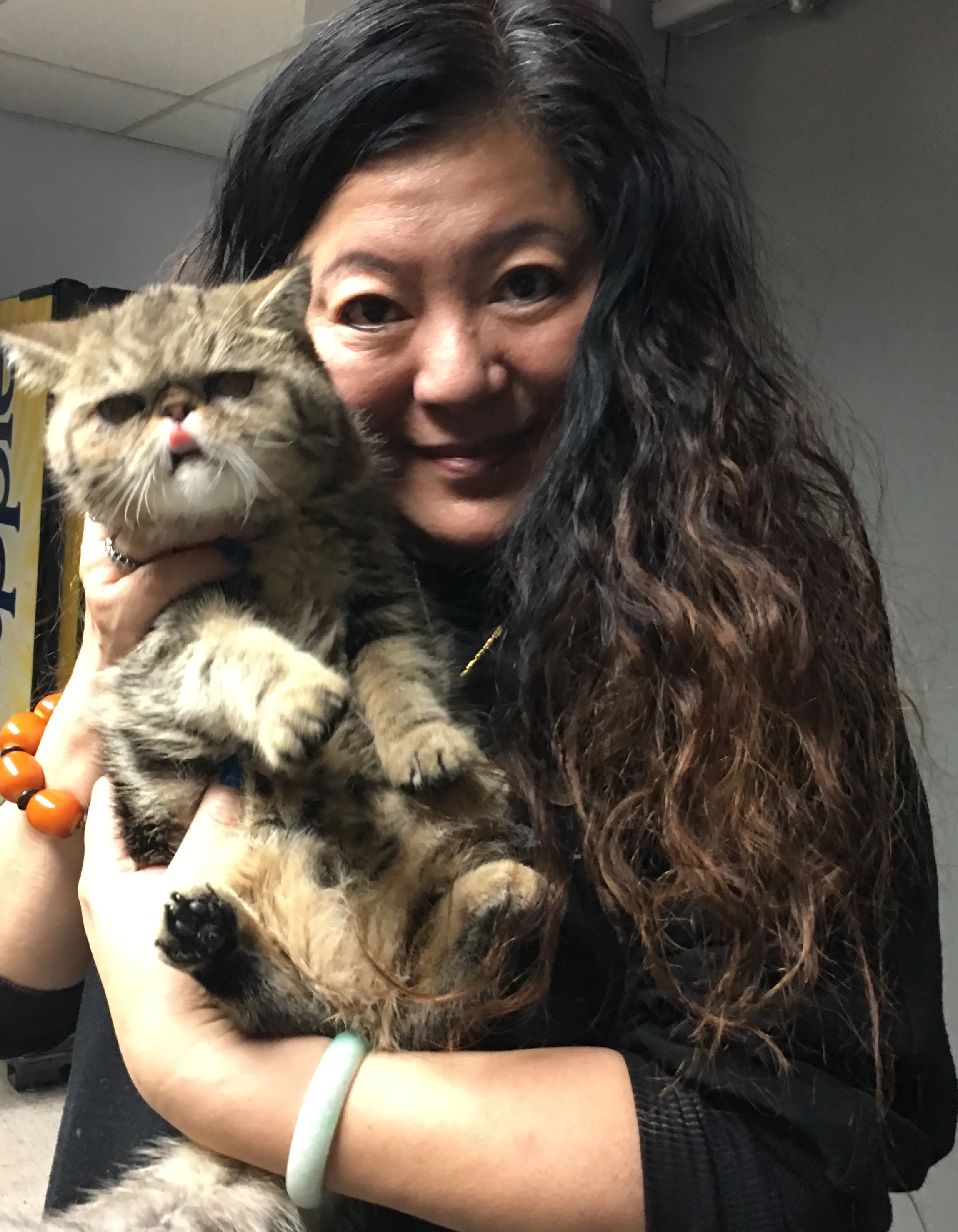
Man, the kitten is looking so beautiful! My goodness! And he is doing really well with our kids and with our dog.
Ragdoll Kittens for Sale
There are 17 pets.
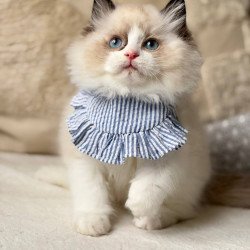
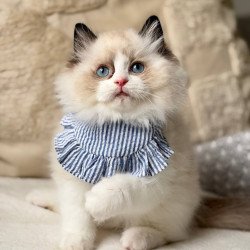
- New
Price
$3,450
Ragdoll Kitten
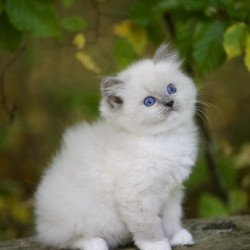
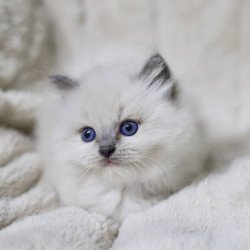
- New
Price
$3,400
Ragdoll Kitten
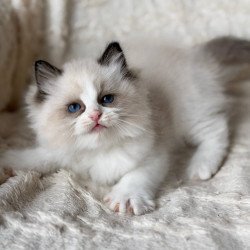
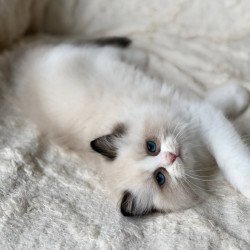
- New
Price
$3,450
Ragdoll Kitten
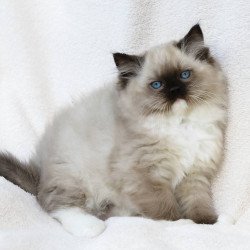
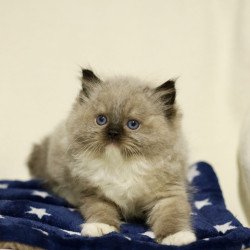
Price
$3,500
Ragdoll Kitten
Price
$3,200
Ragdoll Kitten
Price
$3,200
Ragdoll Kitten
Price
$3,100
Ragdoll Kitten
Price
$3,100
Ragdoll Kitten
Price
$3,100
Ragdoll Kitten
Price
$3,200
Ragdoll Kitten
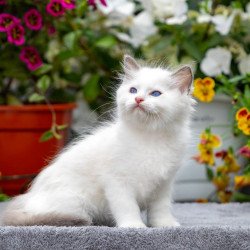
Price
$3,100
Ragdoll Kitten
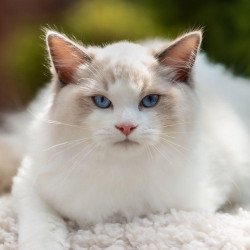
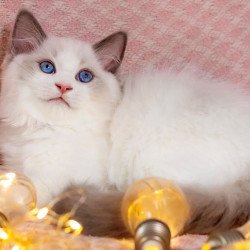
Price
$3,100
Ragdoll Kitten
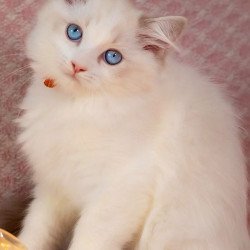

Price
$3,100
Ragdoll Kitten
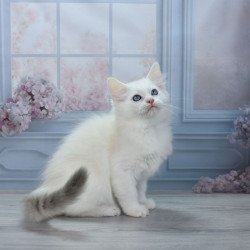
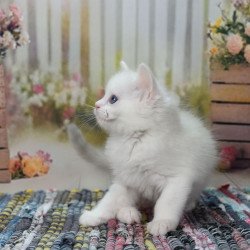
Price
$2,700
Ragdoll Kitten
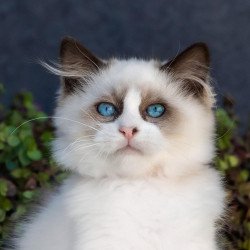
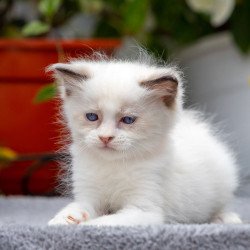
Price
$3,200
Ragdoll Kitten
Price
$3,200
Ragdoll Kitten
Price
$3,850
Ragdoll Kitten
Allow me to whisk you away into the enchanting world of Ragdoll cats—a breed known for its captivating history, distinctive features, and a gentle spirit that's almost too good to be true. With over two decades of experience in breeding, I've seen firsthand how these wonderful felines have become a cherished part of so many households. In this exploration, we'll dive into the intriguing history of Ragdolls, the art of their breeding, their stunning appearance, and what sets them apart anatomically from other breeds.
A Tale of Ragdolls: The History
The story of Ragdoll cats is as fascinating as the breed itself. It all began in the 1960s when a woman named Ann Baker, residing in Riverside, California, laid the foundation for what would become the Ragdoll breed. Ann's story is a mix of mystery and feline devotion. Legend has it that she developed these cats by selectively breeding Josephine, a white Persian/Angora mix with a unique personality. The result was a line of cats known for their striking appearance and gentle, docile nature.
The name "Ragdoll" came about due to their tendency to go completely limp when picked up, making them the feline equivalent of a plush ragdoll. In the decades that followed, breeders have worked diligently to refine and preserve these exceptional qualities, ensuring that Ragdolls remain beloved family companions.
The Brightest Ragdoll Stars
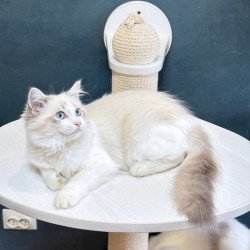
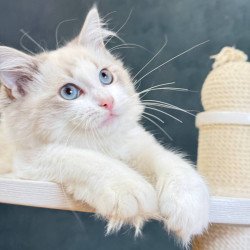
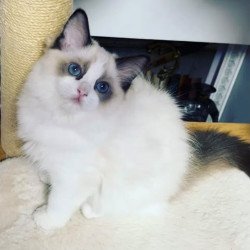
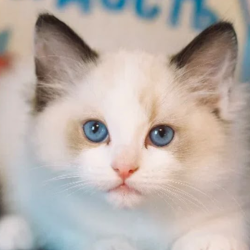
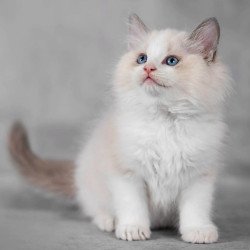
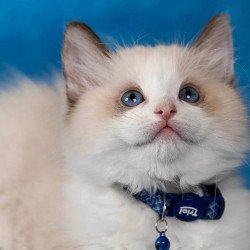
Ragdolls are renowned for their striking appearance and their remarkable, almost puppy-like devotion to their human companions. They are large, sturdy cats with semi-long fur that comes in a variety of captivating colors and patterns. These stunning patterns include "colorpoint" markings, similar to those seen in Siamese cats. Their large, expressive, almond-shaped eyes can be blue or a striking aqua color, adding to their allure.
But what truly sets Ragdolls apart is their gentle and affectionate disposition. These cats are often described as "puppy cats" because they love to follow their humans around the house, participate in family activities, and even allow themselves to be cuddled and cradled without resisting. Their calm and laid-back nature makes them ideal companions for households with children and other pets.
Anatomical Distinctions
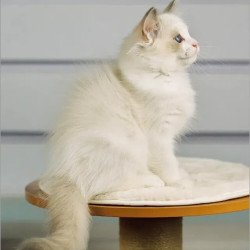
One of the most notable anatomical features of Ragdoll cats is their larger size. They have well-muscled, strong bodies that are complemented by a semi-long, plush coat that's soft to the touch. Their tails are long and bushy, accentuating their majestic appearance.
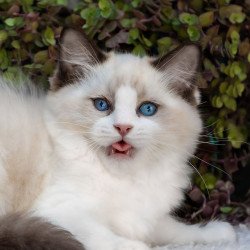
In terms of facial features, Ragdolls possess a sweet and open expression that reflects their gentle personalities. Their ears are medium-sized, and their head forms a soft triangle when viewed from the front. Their coat is thick and luxurious, making them appear even more majestic. Additionally, their striking blue or aqua eyes are captivating, often referred to as "Ragdoll blue eyes."
Qualitative Characteristics and Habits
Ragdoll cats possess a remarkable set of qualities that make them truly extraordinary:
- Gentle Giants: The first thing you'll notice is their large and robust build. Ragdolls are the gentle giants of the feline world, with striking blue eyes, semi-long fur, and a disposition as calm as a tranquil sea.
- Laid-Back Nature: These felines are known for their laid-back and easygoing disposition. They are often likened to "puppy cats" for their affectionate and sociable nature.
- Affectionate and Loving: Ragdoll cats form deep bonds with their human companions. They are not just pets; they are beloved family members who offer unwavering loyalty and affection.
- Adaptable Spirits: These cats are adaptable to different living conditions, making them suitable for a range of lifestyles, from families to individuals.
Ideal Companions
Wondering if a Ragdoll cat is the right fit for you? Consider the following:
- Families and Singles: Ragdoll cats are perfect for families and singles alike. Their loving and sociable nature means they fit seamlessly into various households.
- Moderate Temperatures: They are adaptable to various climates, but they may not thrive in extreme heat. Their semi-long fur is better suited for cooler environments.
- People Seeking Companionship: If you're looking for a loyal and affectionate friend who's always ready to share your space and your heart, Ragdoll cats are an excellent choice.
Possible Problems and Care
While Ragdoll cats are truly remarkable, there are a few essential considerations:
- Grooming Needs: Their semi-long fur requires regular grooming to prevent matting and shedding. Brushing them a few times a week is necessary to keep their coat in top condition.
- Healthcare: Regular vet check-ups are essential to ensure their well-being. Ragdolls can be prone to certain health issues, so early detection is key.
- Diet and Exercise: These cats may have a tendency to gain weight, so managing their diet and ensuring they get sufficient exercise is crucial for their health.
Advantages of Ragdoll Cats
Why should you consider bringing a Ragdoll cat into your life? Let's explore the reasons that make them so special:
- Gentle Giants: Ragdoll cats are not just pets; they are gentle and loving companions who bring a sense of tranquility and affection into your life.
- Loyal and Affectionate: These cats offer a unique blend of gentleness and unwavering loyalty. The bond you'll form with them is as profound as their gentle nature.
- Adaptability: Ragdoll cats easily adjust to various living conditions and can be the ideal match for anyone seeking a loving and sociable companion.
Emotional Connection
For me, Ragdoll cats symbolize an extraordinary blend of gentleness and unwavering affection. Their large and loving presence creates a sense of peace and love in everyday life. The emotional connection I've formed with Ragdoll cats over the years is profound, and it's a breed I'd choose without hesitation.
In Conclusion
Ragdoll cats are the gentle giants of the feline world, offering a unique blend of size, gentleness, and affection. If you're in search of a loyal and loving companion who adds a touch of tranquility and love to your life, look no further. Ragdoll cats are not just pets; they're cherished family members who infuse your life with their gentle presence and boundless affection. I wholeheartedly recommend them for anyone in search of an extraordinary feline friend.
Characteristics
Typical traits for Ragdoll (rated 0–5)
-
Playfulness
-
Activity Level
-
Friendliness to Other Pets
-
Friendliness to Children
-
Grooming Requirements
-
Vocality
-
Need for attention
-
Affection towards owners
-
Docility
-
Intelligence
-
Independence
-
Hardiness
Disclaimer: Keep in mind that while the traits described generally apply to this breed, each cat is distinct with its own personality and looks. To learn more about a specific kitten, please review their profile information or speak with the adoption specialist for detailed insights.
Purrfect matches

What Our Customers Say
Frequently Asked Questions
Quick answers about ordering, delivery, and kitten care
Why are Ragdolls called Ragdolls?
Ragdolls are known for going limp and relaxed when held, which gives them their name. They are exceptionally gentle and often seek out human contact.
Are Ragdoll kittens good with children?
Yes. Ragdolls are one of the most family-friendly breeds thanks to their tolerant, affectionate nature. They usually accept gentle handling and enjoy being part of a busy household.
Should Ragdoll cats go outdoors?
Ragdolls are best kept indoors. Their trusting temperament makes them less street-savvy than some breeds, so a safe indoor environment with playtime and window views is ideal.
How much grooming does a Ragdoll need?
Ragdolls have a semi-long, silky coat that benefits from brushing two to three times per week. Regular grooming reduces shedding and helps prevent mats around the legs and chest.
Do Ragdolls get along with other pets?
Ragdolls are generally easygoing and can live peacefully with other cats and calm dogs. Slow introductions and separate resources during the first weeks help every pet adjust comfortably.