


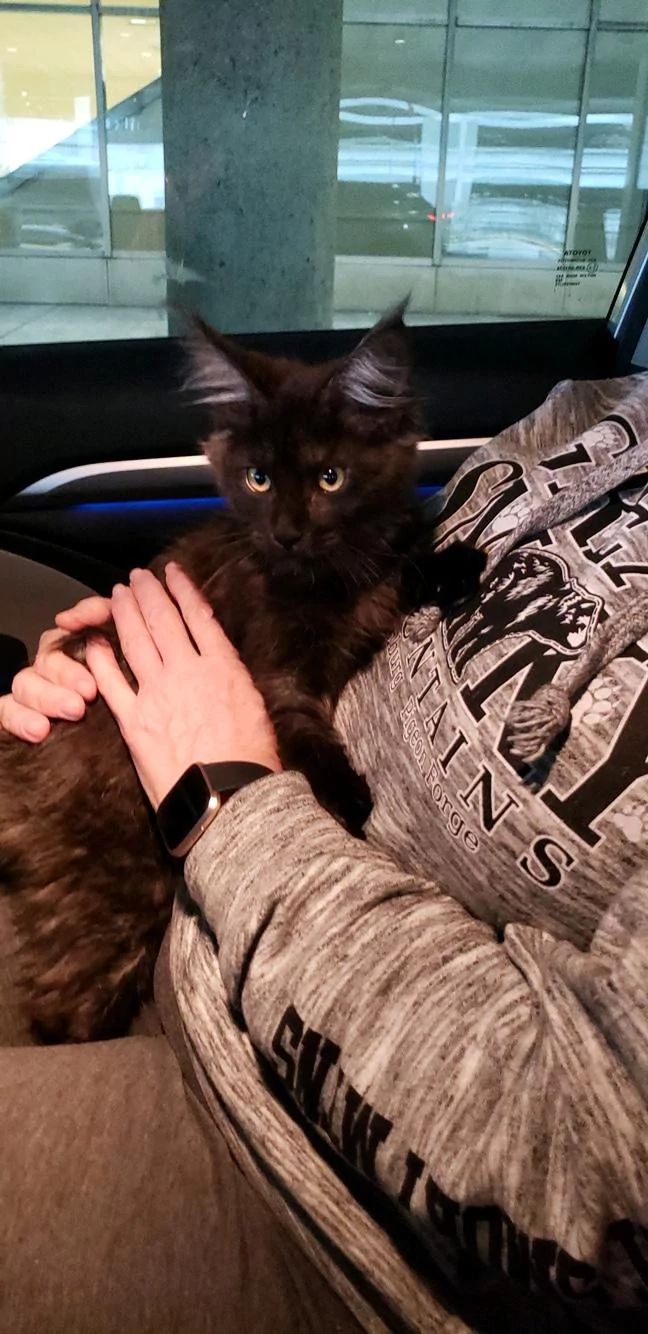
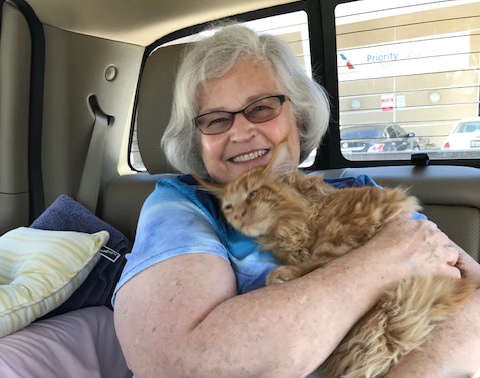
Man, the kitten is looking so beautiful! My goodness! And he is doing really well with our kids and with our dog.
Russian Blue Kittens for Sale
There are 56 pets.
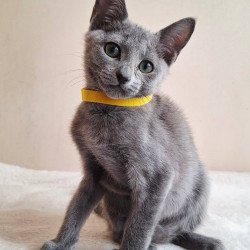
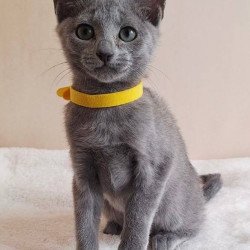
- New
Price
$2,950
Russian Blue Kitten
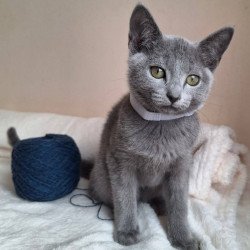
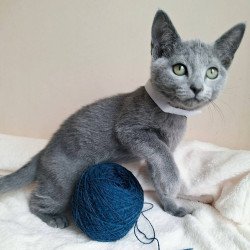
- New
Price
$2,950
Russian Blue Kitten
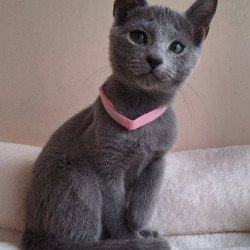
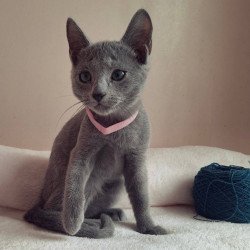
- New
Price
$2,950
Russian Blue Kitten
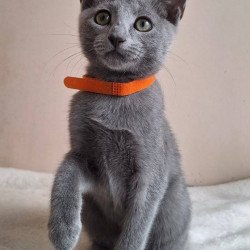
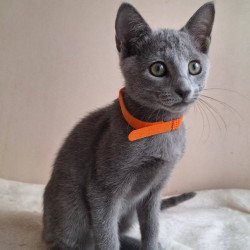
- New
Price
$2,950
Russian Blue Kitten
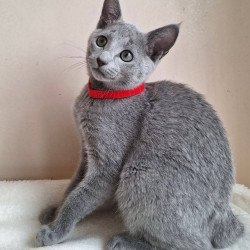
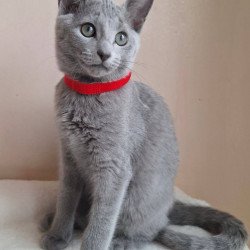
- New
Price
$2,950
Russian Blue Kitten
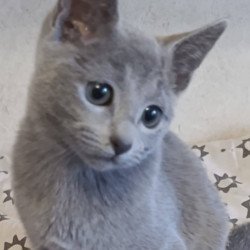
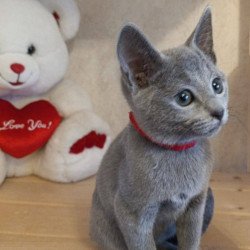
- New
Price
$2,900
Russian Blue Kitten
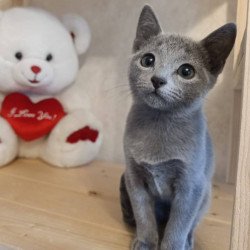
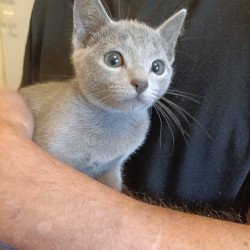
- New
Price
$2,900
Russian Blue Kitten
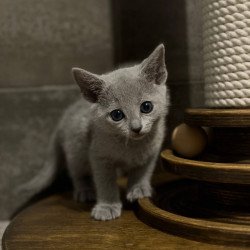
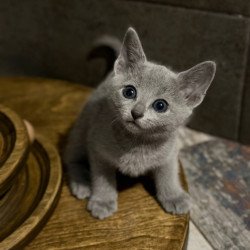
- New
Price
$2,950
Russian Blue Kitten
- New
Price
$2,950
Russian Blue Kitten
Price
$2,950
Russian Blue Kitten
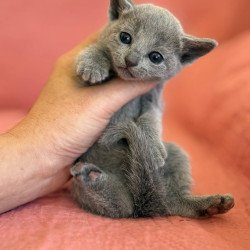
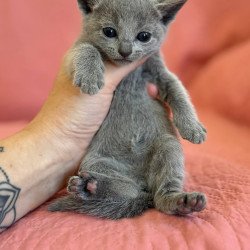
Price
$2,950
Russian Blue Kitten


Price
$2,950
Russian Blue Kitten


Price
$2,950
Russian Blue Kitten


Price
$2,950
Russian Blue Kitten
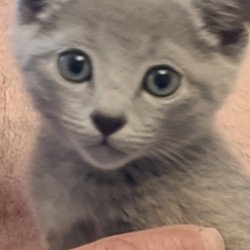
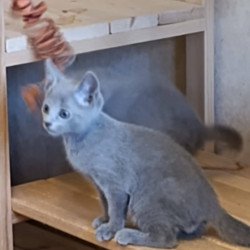
Price
$2,950
Russian Blue Kitten
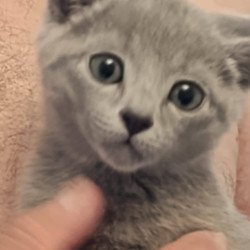
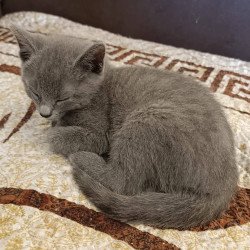
Price
$2,950
Russian Blue Kitten
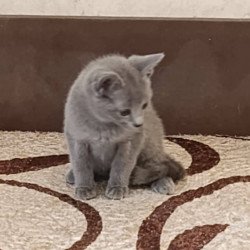
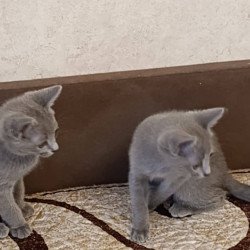
Price
$2,950
Russian Blue Kitten
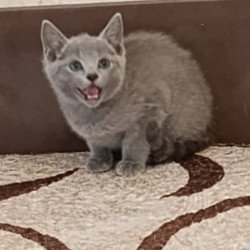
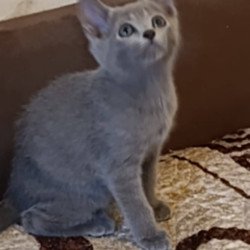
Price
$2,950
Russian Blue Kitten
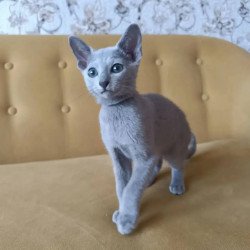

Price
$2,900
Russian Blue Kitten
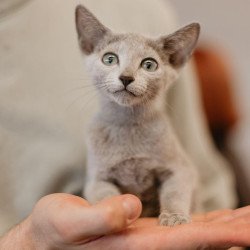
Price
$2,950
Russian Blue Kitten
Price
$2,950
Russian Blue Kitten
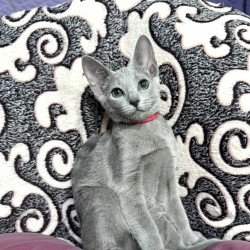
Price
$2,950
Russian Blue Kitten


Price
$2,950
Russian Blue Kitten


Price
$2,950
Russian Blue Kitten


Price
$2,950
Russian Blue Kitten


Price
$2,950
Russian Blue Kitten

Price
$2,950
Russian Blue Kitten

Price
$2,950
Russian Blue Kitten


Price
$2,950
Russian Blue Kitten


Price
$2,950
Russian Blue Kitten


Price
$2,950
Russian Blue Kitten


Price
$2,950
Russian Blue Kitten

Price
$2,950
Russian Blue Kitten


Price
$2,950
Russian Blue Kitten


Price
$2,950
Russian Blue Kitten


Price
$2,800
Russian Blue Kitten
Key points:
- Distinctive Appearance: Scottish Fold cats are known for their round faces, expressive eyes, and characteristic folded ears. Scottish Straights have upright ears and share many of the same breed traits.
- Calm Temperament: These affectionate, adaptable cats generally suit families with children, homes with other pets, first-time owners, and quieter households.
- Coat Types: Scottish Fold kittens are available in shorthair and longhair varieties, with a range of coat colors and patterns.
- Scottish Fold Cat Prices: The cost depends on ear type, coat length, pedigree, health screening, and breeder documentation. Contact CatsDogs.us for current prices.
- Health and Veterinary Care: The breed has specific health considerations, particularly joint and cartilage disorders associated with the folded-ear gene. Ask breeders about health testing and maintain regular veterinary checkups.
- Verified Breeders and Nationwide Delivery: CatsDogs.us works with verified European breeders. Kittens receive veterinary examinations, age-appropriate vaccinations, deworming, microchipping, pedigree documentation, and a health guarantee. Delivery is available across the United States, excluding Hawaii.
Browse our available Scottish Fold and Scottish Straight kittens, compare coat types and prices, and contact CatsDogs.us for current availability and help choosing your new companion.
For questions about available Russian Blue cats for sale, specific litters, or delivery, contact us at sales@catsdogs.us or +1-347-387-1796.
The Russian Blue is one of those breeds that people either know well or underestimate based on photos alone. The coat photographs beautifully, but what actually makes people choose this breed again and again is temperament - calm, attached, and low-maintenance in the best sense. Our Russian Blue kittens selection at CatsDogs.us comes from home breeders across Europe who raise kittens with daily human contact before they go to new families at 16 weeks.
About the Breed
Appearance
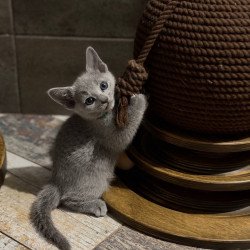
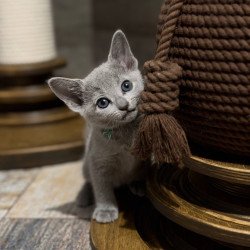
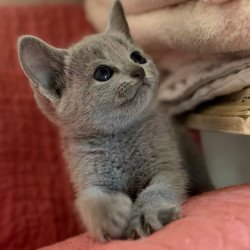
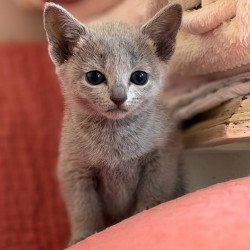
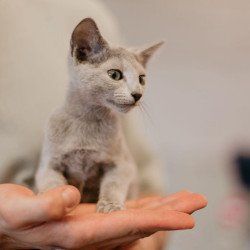
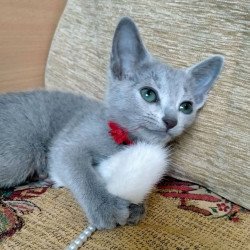
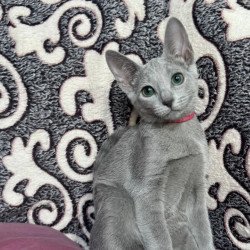
The Russian Blue has a medium wedge-shaped head, large wide-set ears, and a long, fine-boned body that looks lighter than it actually is. The coat is a double coat - undercoat and guard hairs roughly the same length - which gives it a dense, plush texture and a faint silver sheen from the silver-tipped guard hairs. The color is pale blue-grey. TICA and WCF all recognize only this single color; no variants are accepted by any major registry.
Eyes are vivid emerald green. In kittens, eye color starts blue and deepens with age - typically set to full green by 4 months in North American lines.
History
The breed traces back to the Arkhangelsk region of northern Russia, which is why they were originally called Archangel Cats. First shown in England in 1872. After World War II, the population dropped enough that breeders crossed Russian Blues with Siamese to preserve the gene pool. Solid blue is still the only accepted color, but colorpoint genes remain in some lines.
Temperament
Russian Blues take time to warm up to new people and new environments. A kitten arriving in a new home will often spend the first week or two watching from a distance before it starts engaging. This is normal for the breed - not a health concern and not a sign that something is wrong.
Once they settle in, they tend to be quietly present - following owners around, choosing a spot nearby, participating in household routines without demanding attention. They are not lap cats in the typical sense, and they are not particularly vocal. What they are is consistent and genuinely attached to the people they live with.
The TICA breed profile specifically notes their mechanical aptitude - doors, drawers, cabinet latches. They are smart cats that need engagement. Without interactive play and mental stimulation, they get bored and find their own ways to stay busy.
Good fit for:
- Adults and calm households
- People who work from home
- Families with older children
- Homes with other cats, given slow introductions
- First-time cat owners who understand the adjustment period
Less suited to:
- Households with very young children and constant noise
- Owners expecting immediate affection from day one
Russian Blue Cat Price
The Russian Blue cat price depends on several factors, and understanding them helps you evaluate what you are actually paying for. When people ask how much a Russian Blue cat is, the answer varies significantly based on what comes with the kitten.
Key factors that affect the cost of a Russian Blue cat:
- Registry - TICA requires 3 generations from any internationally recognized registry. These are different standards with different implications for what you can verify
- Bloodlines - parents with TICA regional or national titles
- Health documentation - vet exam, vaccination records, deworming, microchip
- Location - prices vary by region; coastal markets tend to run higher
- Pet vs. show quality—show-quality Russian Blue cats for sale from champion lines cost more; most families do well with a pet-quality kitten from a documented breeder
When people ask how much a blue Russian cat is, the short answer is the price reflects the quality of documentation and breeding conditions as much as it reflects the kitten itself. A Russian Blue kitten listed at a very low price with no papers is not the same as one with a full health record and pedigree.
The breed is rare - the TICA has noted publicly that registered breeders cannot meet current demand. This creates conditions where misrepresentation happens, so documentation matters.
Every Russian Blue cat for sale at CatsDogs.us includes:
- Veterinary health examination
- Age-appropriate vaccinations
- Deworming and microchip
- Pedigree documentation
- Health guarantee
Contact us directly for current pricing on available Russian Blue kittens.
Health
Russian Blues are a healthy breed with no widely documented breed-specific hereditary conditions. The average lifespan is 14-16 years; some reach 18-19 with consistent care.
Main health considerations:
- Weight - this breed has a strong appetite and will overeat if food is always available. Scheduled meals twice a day for adults are important; free-feeding is not recommended
- Kidneys - worth monitoring with bloodwork from around age 7
- Diabetes - connected to weight; more common in cats that are consistently overfed
- Progressive retinal atrophy - documented in the breed, not common, but worth knowing
Feeding
Two measured meals daily for adults; three smaller meals for kittens under 6 months. The first ingredient should be a named protein source - chicken, salmon, turkey - not grain or generic meat by-products. Wet food as the primary diet or a regular supplement supports hydration and long-term kidney health.
Coat Care
- Brush once or twice a week; more during shedding season
- Bathe only when the coat becomes visibly oily - ask your breeder for product recommendations
- Trim nails every 2-3 weeks
- Monthly ear checks
- Dental hygiene from kittenhood
Do not shave or clip the coat. The double-layer structure is functional, not decorative.
Finding Russian Blue Kittens for Sale Near Me
Russian blue kittens for sale near me is a common search, but local availability is often limited. There are not many registered breeders, and they are not evenly distributed across the country. CatsDogs.us works with families nationwide and arranges safe transport to all U.S. states except Hawaii. We provide photos and updates throughout the process.
Characteristics
Typical traits for Russian Blue (rated 0–5)
-
Playfulness
-
Activity Level
-
Friendliness to Other Pets
-
Friendliness to Children
-
Grooming Requirements
-
Vocality
-
Need for attention
-
Affection towards owners
-
Docility
-
Intelligence
-
Independence
-
Hardiness
Disclaimer: Keep in mind that while the traits described generally apply to this breed, each cat is distinct with its own personality and looks. To learn more about a specific kitten, please review their profile information or speak with the adoption specialist for detailed insights.
Purrfect matches


What Our Customers Say
Frequently Asked Questions
Quick answers about ordering, delivery, and kitten care
What is the Russian Blue temperament?
Russian Blues are gentle, quiet, and loyal to their family. They can be reserved with strangers at first but form deep bonds with the people they trust.
Are Russian Blue kittens good for calm households?
Yes. Russian Blues thrive in peaceful, predictable environments. They are an excellent choice for owners who want an elegant, low-drama companion.
Are Russian Blues hypoallergenic?
Russian Blues produce lower levels of Fel d 1 than many breeds, so some allergy-sensitive owners tolerate them better. Individual reactions still vary, so meet a kitten before committing if allergies are a concern.
How much grooming does a Russian Blue need?
Their short, dense double coat needs minimal grooming. Weekly brushing is usually enough to remove loose fur and maintain the coat's plush silver-blue appearance.
Do Russian Blues enjoy being alone?
Russian Blues bond closely with their people and prefer company over long solitude. A second cat or regular interaction helps prevent loneliness in busy households.
How big do Russian Blue cats get?
Russian Blue cats are medium-sized and usually weigh 8–15 pounds (3.5–6.8 kg) when fully grown.
Are Russian Blue cats aggressive?
No. Russian Blue cats are generally gentle, calm, and reserved. With proper socialization, they are not considered an aggressive breed.
How long do Russian Blue cats live?
Russian Blue cats typically live 15–20 years with proper care and regular veterinary attention.
Do Russian Blue cats have stripes?
Russian Blue kittens may show faint "ghost stripes," but these usually fade as they mature, leaving the solid blue coat typical of the breed.